Austin Business Journal 2024 Feature

We are honored to have been featured in this Austin Business Journal article featuring information on our Guadalupe store closure, plans for our future and murmurings of our upcoming Capital Campaign.
Thank you to writer Sean Hemmersmeier and photographers Dave Creaney and Brian Mihaelsick.
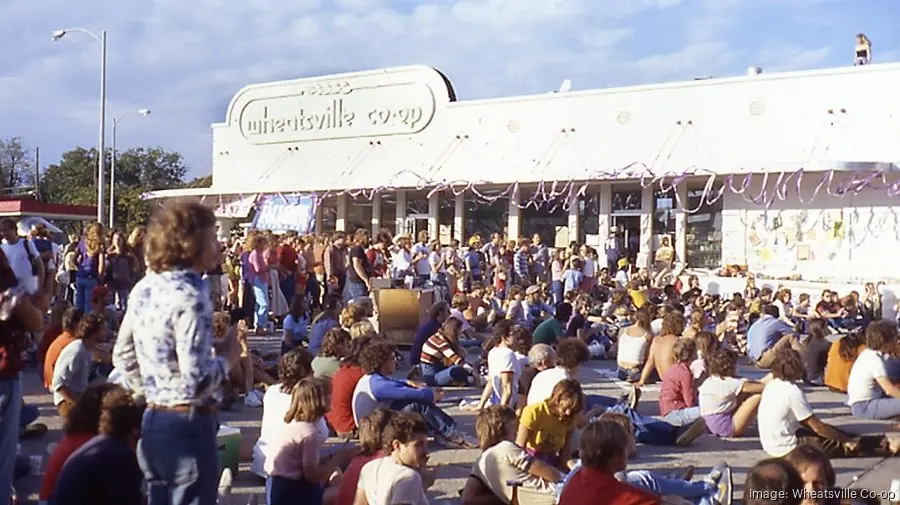
 

END OF AN ERA

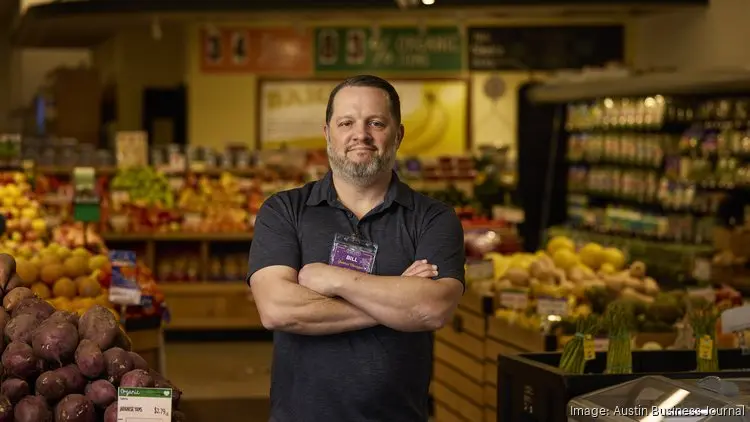
One of the most common questions people have asked Bill Bickford upon hearing that the Wheatsville Food Co-op on Guadalupe Street is closing at the end of 2026 has involved the giant green dinosaur that has stood watch atop the building for nearly two decades.

So what’s going to happen to it?
 

“Unfortunately, I don’t have an answer to that yet,” said Bickford, the co-op’s general manager. “But ultimately, we want to make sure that he has a good home to go to.”

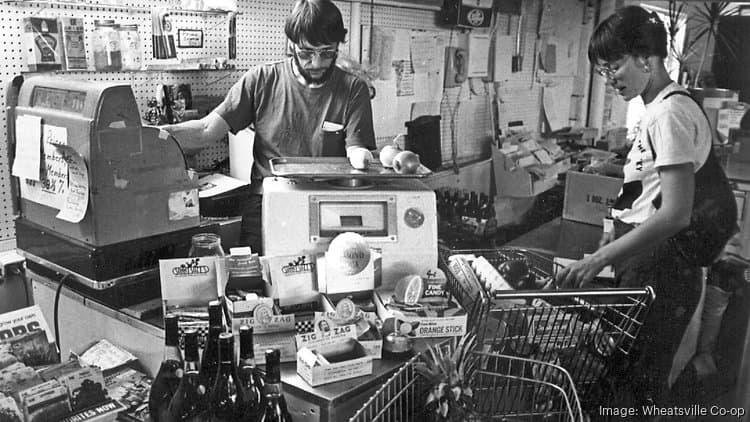
Austin Business Journal
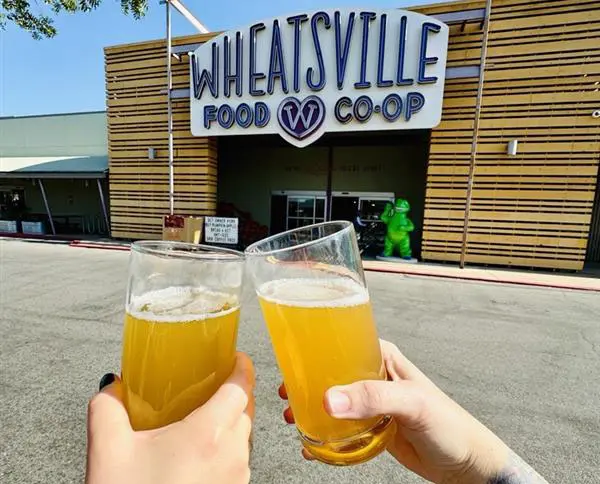
The big green fellow — or Mangiasaurus Rex, the former mascot of the now-defunct Austin chain Mangia Pizza — has been on the roof of the Wheatsville Food Co-op at 3101 Guadalupe St. since 2007.
Wheatsville, a pioneering health-food grocer, has been an Austin mainstay for much longer than that. But just like Mangiasaurus, it’s now facing plenty of uncertainty.
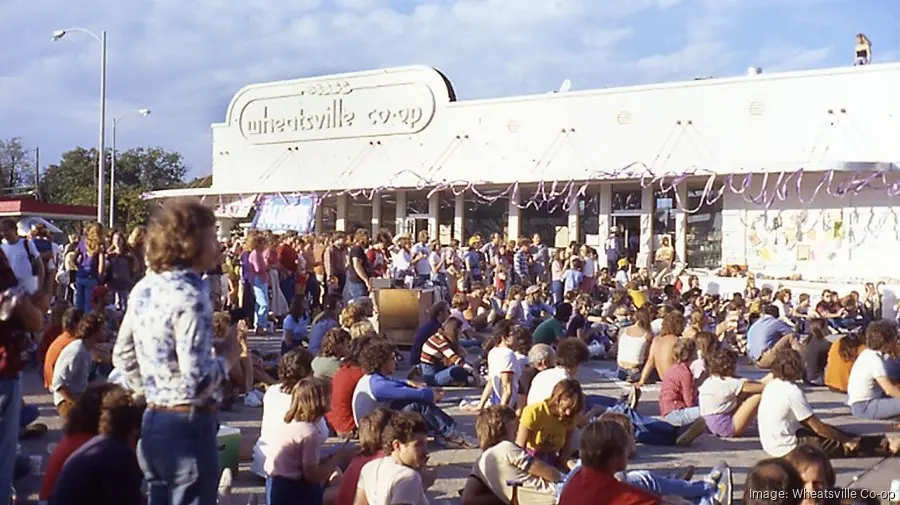
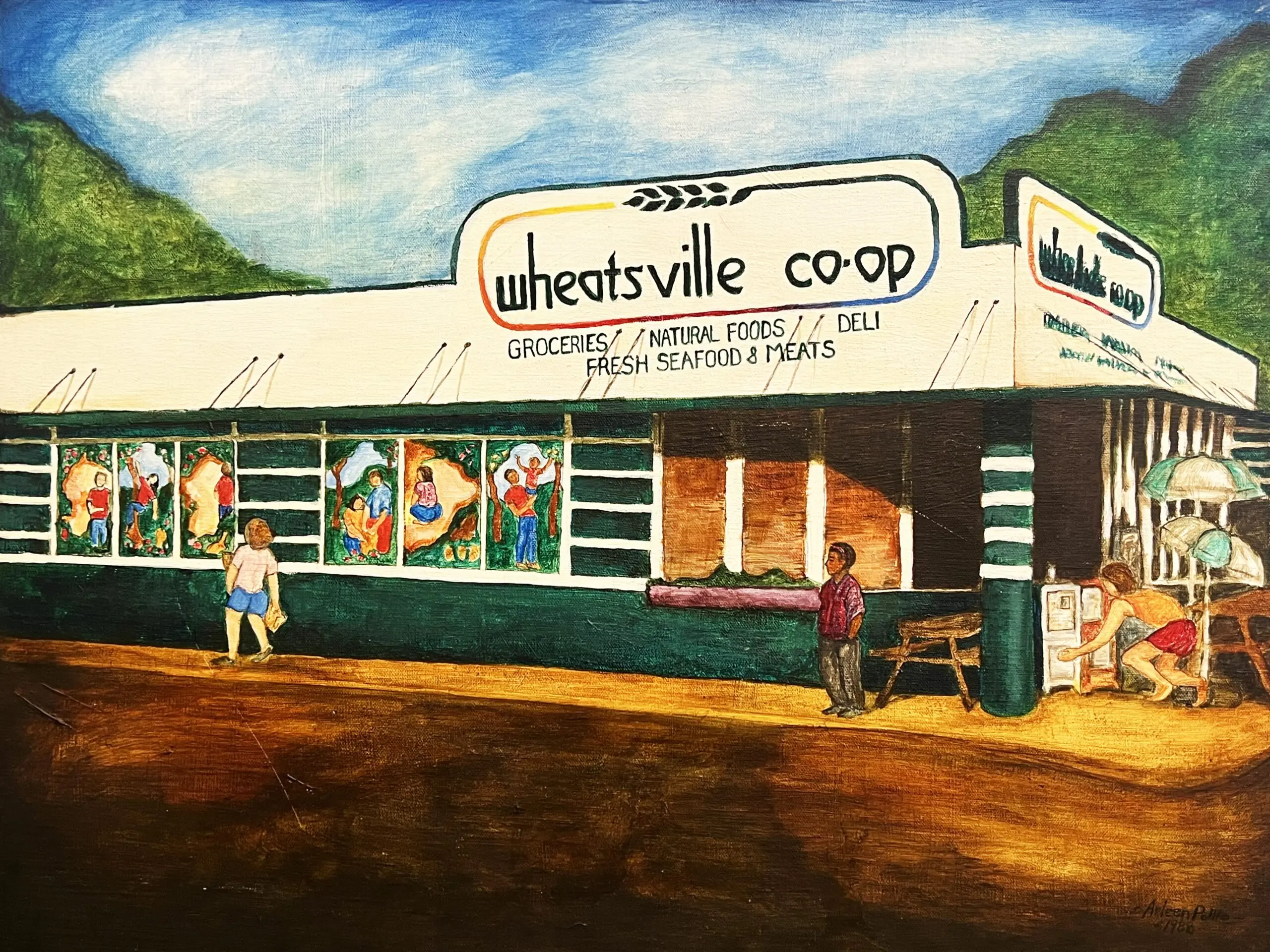
The co-op opened its initial store in 1976, four years before the founding of Austin-based Whole Foods Market. The original Wheatsville was located in the same general location as Austin’s first Black community, which was called Wheatville and provided inspiration for the grocer’s name. The co-op now has two locations — the Guadalupe store north of the University of Texas campus, which opened in 1981 near the original site, and a larger and newer store on South Lamar Boulevard.
Wheatsville Register

Wheatsville is run by a board of directors elected by its 29,000 member-owners, with the aim of serving them instead of making a profit. Anyone can shop at the stores, but members — who pay a $15 non-refundable joining fee and make a $55 investment — get perks such as special deals and also rebates in years when the co-op is sufficiently profitable.

Despite its strong following among Austinites looking for healthy and locally sourced food, however, Wheatsville has confronted challenges in recent years that include increased competition in the natural-foods category, tight profit margins, rising rents and other issues.

Future of Guadalupe store

That’s why the Guadalupe store is slated to close when its current lease expires at the end of 2026. In addition to declining sales at the location, the area nearby will undergo significant disruption once construction begins on the city’s multibillion-dollar Project Connect light rail project.

Bickford, who first started working at Wheatsville in 1999, said other grocery stores have opened in the Hyde Park area and lured away some shoppers. In addition, he said fewer University of Texas faculty members and students have been driving to campus, which also has cut down on sales.

Traditionally, Hyde Park residents and UT students and faculty have been among the store’s most frequent customers.
 
“UT used to ask you to bring a car,” Bickford said. “They certainly do not tell you to bring a car these days — you really can’t have a car in West Campus and expect to always find a parking spot.”

But even though the Guadalupe store is closing, Wheatsville Food Co-op doesn’t intend to leave the region of Austin where it has operated since its founding.
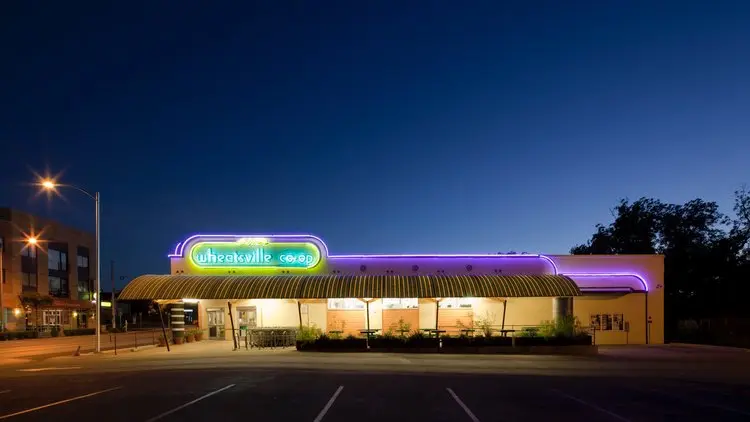
 

Bickford said the aim is to open smaller locations in the area. Nothing has been finalized, he said, but one reduced-footprint location might focus on longtime Hyde Park residents, while another might focus on UT students and employees.

“We feel a connection to those in that area — because we’ve historically served those customers, because we were started by students and recent grads living in and around that area, and our namesake was located in West Campus as well,” he said. 
In addition, the co-op is considering expanding its operations throughout the city.

“There are lots of areas in town I’d like to serve,” Bickford said. “We get requests and suggestions from Austinites all over the city all the time, including for the surrounding communities around Austin.”

Hub-and-spoke business model

The plan is to operate a hub-and-spoke model, with smaller neighborhood locations serving as spokes and the large South Lamar location — which is about 25,000 square feet — the hub. The South Lamar site also will house the co-ops administrative, kitchen, baking and packaging operations. 
 

“We see South Lamar functioning as sort of the economic engine that fuels a number of neighborhood markets throughout the city,” Bickford said.
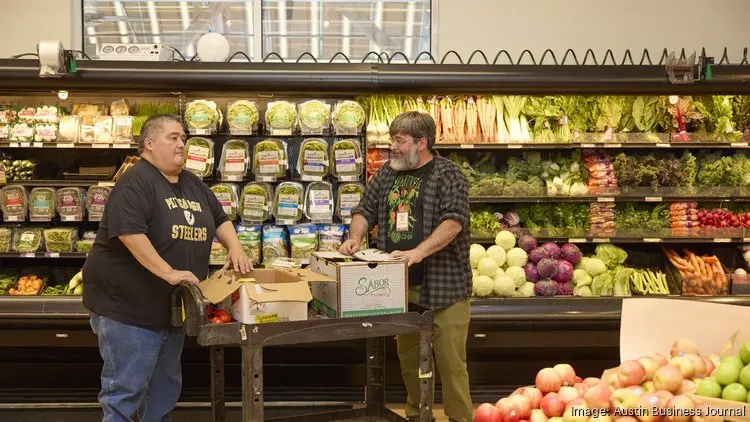
 
Guad interior

The smaller stores would total about 6,000 square feet, with about 5,000 square feet of shopping space. 

While there isn’t a target for the number of smaller neighborhood stores that could open, Bickford said the South Lamar store could support up to 12 throughout the city if there’s enough demand for the concept. In addition, he said, Wheatsville potentially could open a second large-format store to support more neighborhood markets. 
No locations have been found for Wheatsville’s new store model yet, he said, but each could have its own unique profile and carry different products to better serve whichever area of town it’s in.
“Our strategy going forward is to be as close to our shoppers as we can be,” Bickford said.  
The plan won’t be cheap, however. Bickford declined to put a price tag on the effort, but he said the co-op will need to seek investment from its owner-members, the public and other businesses to help raise funds. The amount could be provided to the owner-members soon, he said.

What is Wheatsville’s place in Austin?
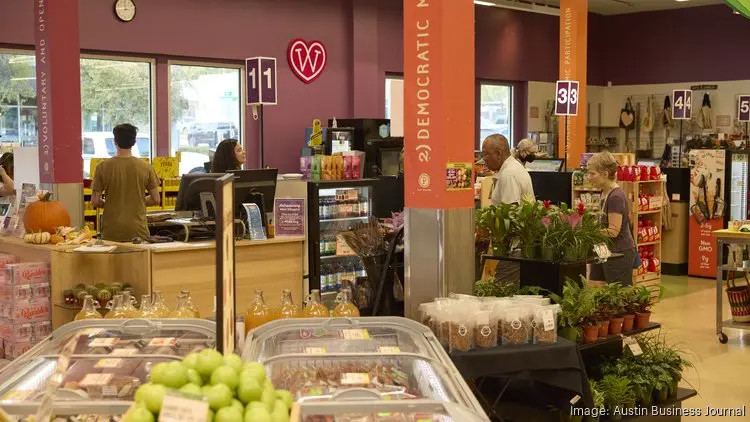
There’s little doubt that the co-op’s main differentiating factor at the time of its founding — meaning its focus on natural and organic food offerings — has been blunted over the years as more grocers have muscled their way into the space.
 
The new plan to plant smaller, more-specialized neighborhood stores throughout the city is viewed as a way for Wheatsville to stand out once again. Whole Foods stores are typically about 40,000 square feet, while H-E-B has announced new locations in San Marcos and Manor that each will total over 100,000 square feet.

Bickford said Wheatsville wants to be a “standard bearer” of Old Austin and doesn’t see itself becoming a rival to H-E-B or Whole Foods in terms of size or store count — but it does want to outdo those companies when it comes to making a community impact.

“We just want to be a place that is big enough to meet your needs and small enough to meet your neighbors and serve as that community hub for local Austinites,” he said.
 
Thanksgiving Meals pre order

Thanksgiving Pre-Orders

NATIFS campaign

NATIFS Campaign

on premise alcohol consumption waiver events

On-premise Alcohol Waiver

Wheatsville Guadalupe store closing 2026

Important Message From the GM